
What Does the Latest UK Inflation Data Mean for Businesses?

Inflation remains one of the most closely watched economic indicators in the UK, and for good reason. While headline figures may seem like something only economists or policymakers focus on, the reality is that inflation directly shapes everyday business decisions. From rising supplier costs and wage expectations to changing customer behaviour and borrowing conditions, inflation affects nearly every aspect of running a company.
The latest UK inflation data offers businesses more than just a percentage figure. It provides insight into economic pressure, market confidence, pricing conditions, and likely monetary policy decisions. For business owners, understanding what this means is essential for making informed strategic choices in an increasingly uncertain economic environment.
Why UK Inflation Matters to Businesses?
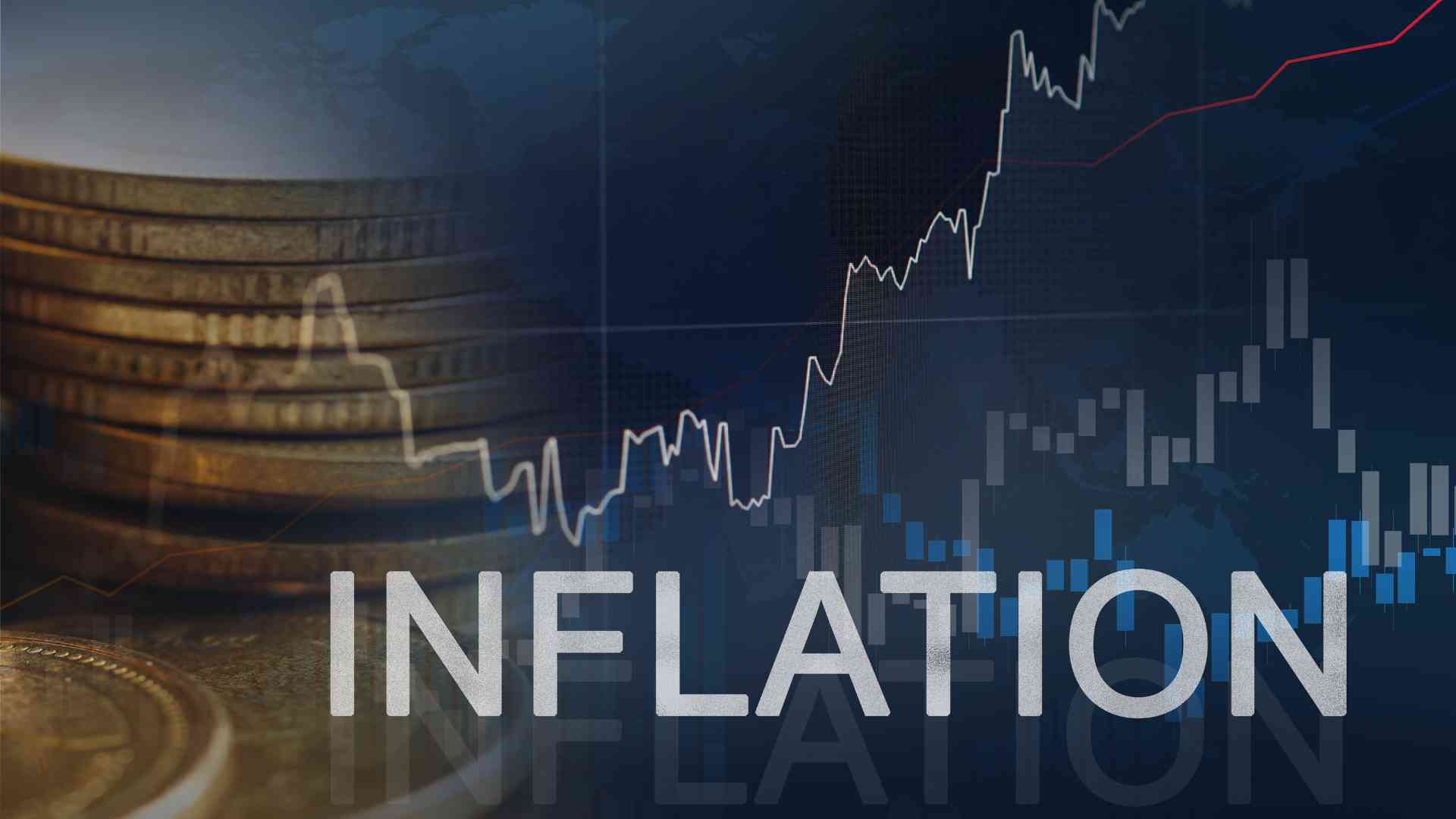
Inflation measures how quickly the prices of goods and services rise over time. When inflation increases, the purchasing power of money falls, meaning both businesses and consumers pay more for the same products and services than they did previously.
For businesses, inflation is rarely limited to one isolated cost increase. Instead, it often creates a chain reaction across operations. A company may face higher supplier charges, increased transport costs, more expensive utility bills, and stronger wage demands from employees all within the same period.
This can significantly affect profitability, especially for businesses operating on tight margins. While larger organisations may have stronger negotiating power or cash reserves, smaller businesses often feel inflationary pressure much faster.
A Quick Business Impact Snapshot
| Business Area | Likely Inflation Impact |
|---|---|
| Supplier Costs | Increased procurement expenses |
| Staff Wages | Higher pressure for salary reviews |
| Consumer Demand | More cautious customer spending |
| Borrowing | Increased financing costs |
| Profit Margins | Reduced unless pricing adapts |
| Business Planning | Greater forecasting uncertainty |
The severity of these effects depends on sector, business model, and how quickly companies respond.
Rising Costs Across Daily Operations
One of the most immediate effects of inflation is increased operating costs. Businesses rarely experience inflation in one simple form. Instead, costs often rise simultaneously across several departments.
A retailer may see wholesale product costs increase while also paying more for packaging, deliveries, and electricity. A hospitality business might face rising food procurement costs alongside wage pressure and energy bills. Manufacturers may encounter more expensive raw materials combined with transport disruption and supplier pricing volatility.
This makes inflation particularly challenging because businesses cannot always pass every cost increase directly to customers.
Even firms with strong revenue growth may find that profit margins begin shrinking if operating costs rise faster than turnover.
The Impact on Employee Wages and Recruitment
Inflation does not only affect business spending it also affects employees personally. As household costs rise, workers naturally expect higher wages to maintain their standard of living.
This creates a difficult balancing act for employers.
Businesses that increase salaries too aggressively may place additional strain on margins. Businesses that fail to respond to employee expectations risk losing staff or facing recruitment difficulties.
This is particularly relevant in labour-heavy sectors such as hospitality, logistics, retail, customer service, and healthcare support.
In competitive hiring markets, inflation can increase staff turnover as workers move towards employers offering stronger compensation packages.
Even where businesses cannot match every salary expectation, they may need to rethink benefits, flexibility, or bonus structures to remain competitive.
Consumer Behaviour Changes During Inflation
Inflation does not just affect the supply side of business. It changes customer psychology as well.
When living costs rise, households often reassess their spending priorities. Essential spending remains relatively stable, but discretionary purchases frequently come under pressure.
Consumers become more selective, more price-sensitive, and less impulsive in their purchasing decisions.
For businesses, this can mean slower sales growth even if customer traffic remains steady.
Reduced Discretionary Spending
Sectors most exposed to discretionary consumer spending often feel inflation fastest.
This includes businesses involved in:
- dining out
- entertainment
- home improvements
- fashion retail
- leisure products
- premium services
Customers may postpone spending rather than cancel it entirely, but even delayed purchasing can disrupt business cash flow.
Greater Demand for Value
Inflation often shifts consumer expectations toward value rather than aspiration.
Customers ask tougher questions:
Is this essential?
Is there a cheaper alternative?
Can I wait another month?
Businesses selling premium products or services may need stronger messaging to justify pricing.
Midway through navigating these economic shifts, many decision-makers look to resources like Live Business Blog for ongoing business commentary, practical insights, and analysis of changing UK market conditions.
Borrowing Becomes More Expensive
Inflation also has a direct impact on business finance.
When inflation remains elevated, the Bank of England often maintains tighter monetary conditions to control price growth. This can keep borrowing costs higher for longer.
For businesses, that translates into more expensive access to capital.
Companies relying on overdrafts, business loans, equipment finance, or credit facilities may see increased monthly costs.
This can affect:
- expansion plans
- hiring strategies
- office moves
- equipment purchases
- refinancing decisions
A growth-focused business that expected cheap borrowing may suddenly need to revisit its financial assumptions.
Newer businesses are especially vulnerable, as they often rely more heavily on external funding during scaling stages.
Sector-Specific Inflation Pressures
Inflation affects every industry differently. Understanding sector-specific exposure is essential.
Retail
Retail businesses face pressure from both rising supplier costs and cautious consumer behaviour.
If wholesale costs rise, retailers must decide whether to absorb the increase or pass it on through pricing. Neither option is simple.
Passing on costs may reduce competitiveness.
Absorbing them reduces margins.
Retailers also face inventory risk if consumer demand weakens unexpectedly.
Hospitality
Hospitality businesses often experience multiple inflation pressures simultaneously.
Food costs, wages, utilities, rent, and customer demand can all move unfavourably at once.
Restaurants and hotels may struggle particularly if customers reduce discretionary spending while operating costs remain elevated.
This makes pricing strategy highly sensitive.
Manufacturing
Manufacturers face inflation through material costs, transport charges, energy prices, and supply chain volatility.
Long-term customer contracts can create further difficulty if costs rise faster than agreed pricing terms.
Cash flow management becomes especially important in these circumstances.
Professional Services
Service-based businesses may avoid inventory pressure but still face inflation through staffing costs, software subscriptions, office overheads, and general business expenses.
However, service firms may sometimes have greater flexibility in adjusting pricing compared with physical goods businesses.
Pricing Decisions Become More Complex
Pricing during inflation is rarely straightforward.
Customers notice price increases more quickly during cost-of-living pressure, which makes sudden adjustments risky.
However, delaying pricing action for too long can quietly damage profitability.
The most effective pricing decisions tend to be strategic rather than reactive.
Businesses should evaluate where margins are strongest, which products are price-sensitive, and where customers perceive genuine value.
Small, well-communicated adjustments often perform better than dramatic increases.
Transparent messaging can also reduce customer resistance.
When customers understand that businesses face genuine cost increases, they are often more accepting.
Supply Chain Planning Matters More Than Ever
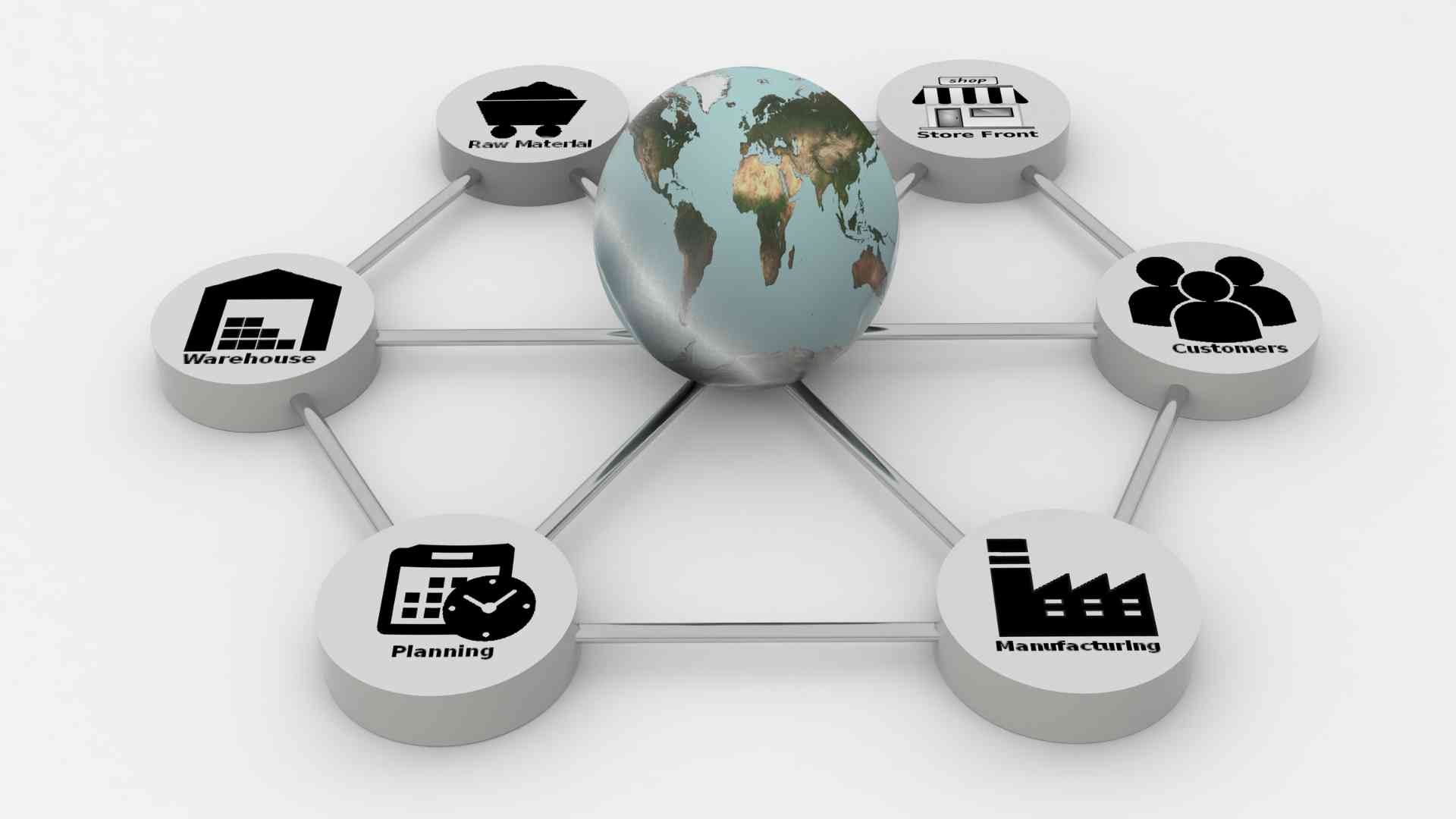
Inflation creates uncertainty throughout supply chains.
Supplier pricing may change unexpectedly. Delivery costs can fluctuate. Procurement forecasts become harder to manage.
Businesses that rely heavily on imported materials or complex supply chains may face particular exposure.
This makes supplier diversification increasingly valuable.
Organisations should consider whether they rely too heavily on single suppliers or unstable pricing agreements.
Forward planning, stronger procurement relationships, and better forecasting can reduce disruption.
Supply chain resilience increasingly becomes a competitive advantage rather than simply an operational function.
Inflation and Business Confidence
Inflation also affects decision-making psychology.
Even businesses that remain profitable may become more cautious when inflation creates uncertainty.
This can delay recruitment, reduce marketing investment, postpone expansion, or slow innovation projects.
Business confidence matters because hesitation across multiple sectors can contribute to broader economic slowdown.
At the same time, not all businesses respond negatively.
Well-capitalised firms with strong balance sheets may find opportunities while competitors become defensive.
This could include:
| Opportunity Area | Strategic Advantage |
|---|---|
| Market expansion | Competitors delaying investment |
| Talent acquisition | Skilled staff seeking stability |
| Supplier negotiations | Better long-term contract leverage |
| Brand positioning | Stronger trust through stability |
Economic uncertainty often creates both risks and openings.
What Business Owners Should Focus On Now
The latest inflation data should encourage measured planning rather than panic.
Business owners should review their financial assumptions regularly.
Cash flow forecasting becomes especially important during inflationary periods, as even profitable businesses can experience operational strain if costs rise faster than expected.
Margin monitoring should become more frequent.
Customer behaviour should also be tracked closely. Sales declines may not happen suddenly—they often emerge gradually through smaller basket sizes, delayed purchases, or reduced repeat activity.
Hiring plans should be reviewed with wage pressure in mind.
Businesses carrying debt should stress-test repayment affordability under less favourable scenarios.
The goal is resilience, not overreaction.
Final Thoughts
The latest UK inflation data matters because it reflects far more than changes in consumer prices.
For businesses, inflation influences supplier relationships, staff expectations, customer demand, financing conditions, profitability, and strategic confidence.
Some sectors will feel stronger pressure than others, but few businesses remain unaffected.
Companies that understand inflation in practical terms—not just economic headlines—are far better positioned to respond effectively.
Rather than viewing inflation as a short-term obstacle, successful businesses treat it as a strategic planning signal.
Those that remain agile, financially disciplined, and customer-aware will be in the strongest position to navigate whatever the UK economic environment brings next.